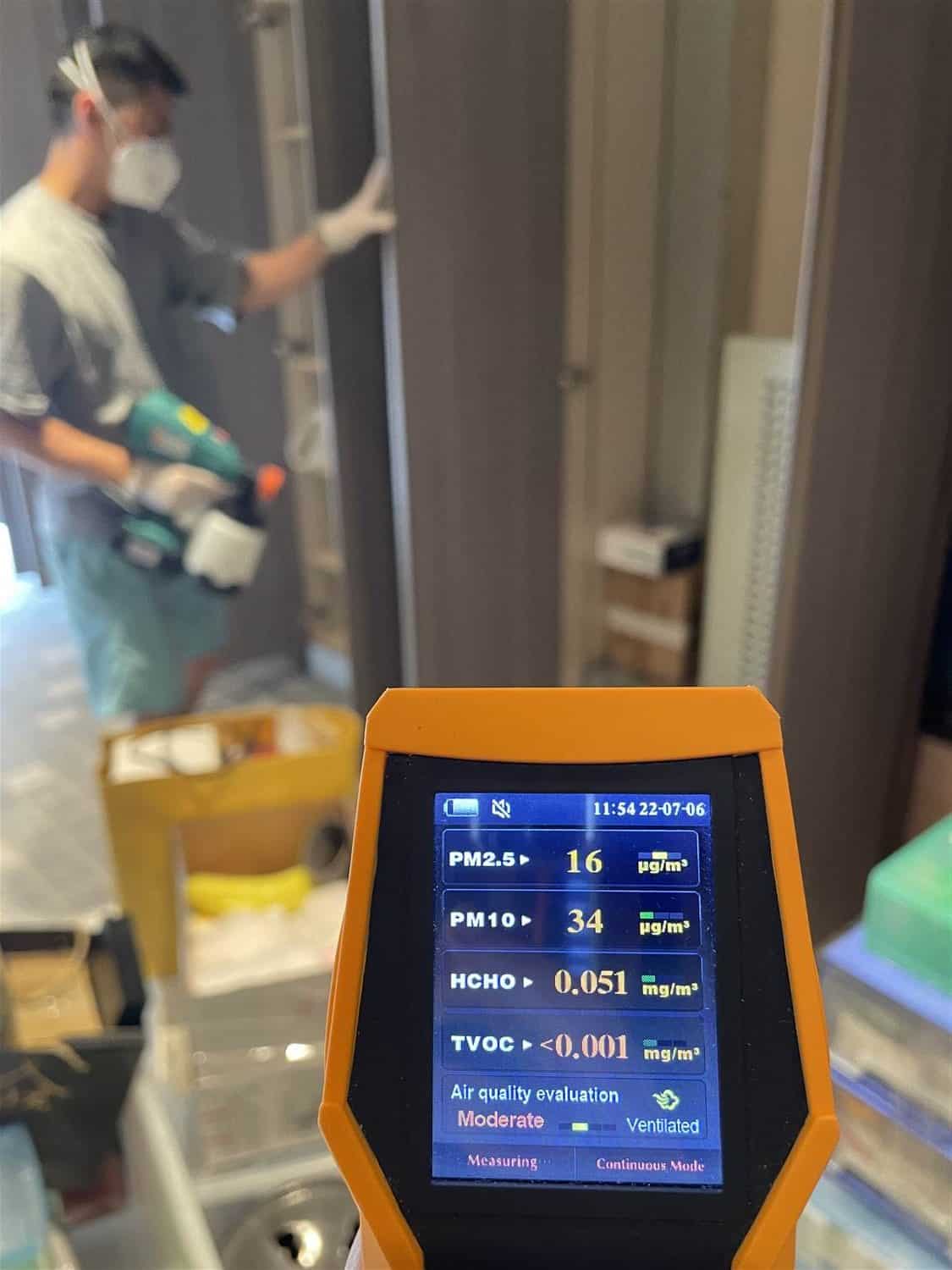
Difficulty breathing and difficulty breathing are some usual threats associated with being exposed to this compound. Female menstrual irregularities, increased risk of spontaneous abortion, and possible congenital abnormalities are frequently seen.
Breathing disorders are frequent outcomes of prolonged contact to formaldehyde. Additionally, individuals may experience altered sense of smell as a result of prolonged exposure.
Furthermore, formaldehyde interaction can lead to impaired lung function and altered hepatic function. Allergic dermatitis are another possible risk associated with formaldehyde contact.
It is crucial to address the presence of formaldehyde to ensure a secure and enjoyable living environment. Correct measures and mitigation techniques are essential to lower the threats related to formaldehyde presence.
Botanical Purification and Proper Air Circulation are two favored DIY methods for reducing formaldehyde impact. Another option is Activated Carbon Absorption. Additionally, using Low-Formaldehyde Building Materials during renovations can greatly lower indoor formaldehyde concentrations.
For formaldehyde remediation by specialists, there are two widely used strategies:
Catalytic Oxidation:
This is the most common method employed by formaldehyde removal companies. It involves utilizing a photocatalyst that undergoes reactions under UV light. By applying the photocatalyst on surfaces, the chemical can be disinfected and purified. It is important to note that this method may result in surface whitening due to the use of a milky white liquid during the process. Additionally, the photocatalyst solution contains adhesives, so its potential effects on surfaces and human health should be taken into account.
Alternative Techniques:
These methods utilize ultrafine titanium dioxide compounds. Unlike light-activated methods, non-photocatalytic approaches can achieve bactericidal and pollution-reducing effects without requiring light.
For coating with antibacterial properties services, QAT (Quantum Antibacterial Technology) provides bactericidal and self-cleansing coatings. This patented technology creates coatings that outperform photocatalytic oxidation by 38 times in terms of antibacterial and cleaning capabilities, while ensuring a longer lasting period.
Lastly, Chitosan Spray, derived from refined crab shells, can remove formaldehyde for cleaning purposes. However, there are limitations to its absorption limits. Once a certain threshold is reached, it can no longer eliminate additional formaldehyde.
In Asia, Mamba Formaldehyde Removal Company, 清甲醛 based in Hong Kong, provides innovative air purification and formaldehyde removal technologies from respected brands in Japan and South Korea. Their solutions include JP-ECO non-photocatalytic formaldehyde decomposition spray and Mr. Fog nano-catalytic formaldehyde removal agent, guaranteeing reliable odor elimination and continuous indoor purification. These products have obtained safety certifications and are safe for people and pets, making them suitable for residential and office environments. If you require formaldehyde removal services following renovation, feel free to contact us for the latest formaldehyde removal fees.